What is the Insta360 SMO 4K's maximum bitrate for video recording?

CloudPano Editorial Team
April 30, 2024
•
5 min read
Share this post

Unveiling the Insta360 SMO 4K: Exploring Maximum Bitrate for Video Recording

In the realm of video recording, bitrate plays a pivotal role in determining the quality and detail of footage.

Join us as we delve into the Insta360 SMO 4K's maximum bitrate for video recording and how it contributes to capturing stunning visuals.

Understanding Maximum Bitrate

‍Bitrate refers to the amount of data processed per unit of time, typically measured in megabits per second (Mbps). A higher bitrate translates to a greater amount of data captured, resulting in enhanced image quality, finer details, and smoother motion in videos.

The Insta360 SMO 4K's Maximum Bitrate

‍The Insta360 SMO 4K boasts an impressive maximum bitrate for video recording, ensuring that every frame is packed with rich detail and clarity. This high bitrate allows for the preservation of intricate textures, vibrant colors, and sharp edges, even in fast-paced scenes or low-light environments.

Unlocking Cinematic Potential

‍With the Insta360 SMO 4K's generous maximum bitrate, videographers can unleash their creativity and capture cinematic masterpieces. Whether shooting breathtaking landscapes, action-packed sequences, or intimate moments, the camera's high bitrate ensures that every frame is a work of art.

Where to Purchase the Insta360 SMO 4K

‍Ready to harness the power of the Insta360 SMO 4K's maximum bitrate for your videography endeavors? Secure your camera here:

Insta360 SMO 4K

Conclusion

‍The Insta360 SMO 4K's impressive maximum bitrate for video recording empowers videographers to capture stunning visuals with unparalleled detail and clarity. Elevate your videography to new heights by investing in the Insta360 SMO 4K and unlock cinematic potential in every frame.

‍

Share this post
CloudPano Editorial Team

Choose The Right 360° Camera

Insta360 ONE RS 1-Inch 360 Edition

  • Compact, ready to go anywhere

  • Interchangeable lens that’s upgradeable

  • Dual 1-inch sensors for improved clarity and low light performance

  • Dynamic range and 6K 360° capture

  • 360° photo resolution at 21MP

Learn More

Insta360 X4

  • 8K 360° video recording for ultra-detailed visuals.

  • 4K single-lens mode for traditional wide-angle shots.

  • Invisible selfie stick effect for drone-like perspectives.

  • 2.5-inch touchscreen with Gorilla Glass protection.

  • Waterproof up to 33ft for underwater shooting.

Learn More

Ricoh Theta Z1

  • 360° photo resolution in 23MP

  • Slim design at 24 mm thick

  • Built-in image stabilization for smooth video capture.

  • Internal 19GB storage for photo and video storage.

  • Wireless connectivity for remote control and sharing.

Learn More

Ricoh Theta X

  • 60MP 360° still images for high-resolution photography.

  • 5.7K 360° video recording at 30fps.

  • 2.25-inch touchscreen for intuitive control.

  • USB Type-C port for fast charging and data transfer.

  • MicroSD card slot for expandable storage.

Learn More
Property Marketing
Allows potential buyers to explore properties in detail from anywhere, enhancing the real estate marketing process.
Automotive Spins
Create an interactive virtual showroom and engage affluent digital buyers with live 360º video calls, all through the CloudPano mobile app for a complete automotive sales solution.
Interactive Floor Plans
Create 2D and 3D floor plans with measurements in 4 minutes or less, all from your phone. Download the Floor Plan Scanner app and get your first scan free.

360 Virtual Tours With CloudPano.com. Get Started Today.

Try it free. No credit card required. Instant set-up.

Try it free
Latest posts

See our other posts

Interviews, tips, guides, industry best practices, and news.

Common Data Labeling Mistakes That Hurt Model Accuracy

Data labeling mistakes can significantly affect AI model accuracy, reliability, and real-world performance. This guide explores 10 common annotation errors, including inconsistent labeling guidelines, incorrect annotations, missing edge cases, class imbalance, and inadequate quality assurance. Learn practical strategies to improve annotation consistency, train reviewers, monitor labeling quality, and prevent costly model errors. Discover how professional data labeling services can help organizations build accurate, reliable datasets for computer vision, large language models, robotics, and other AI applications.
Read post

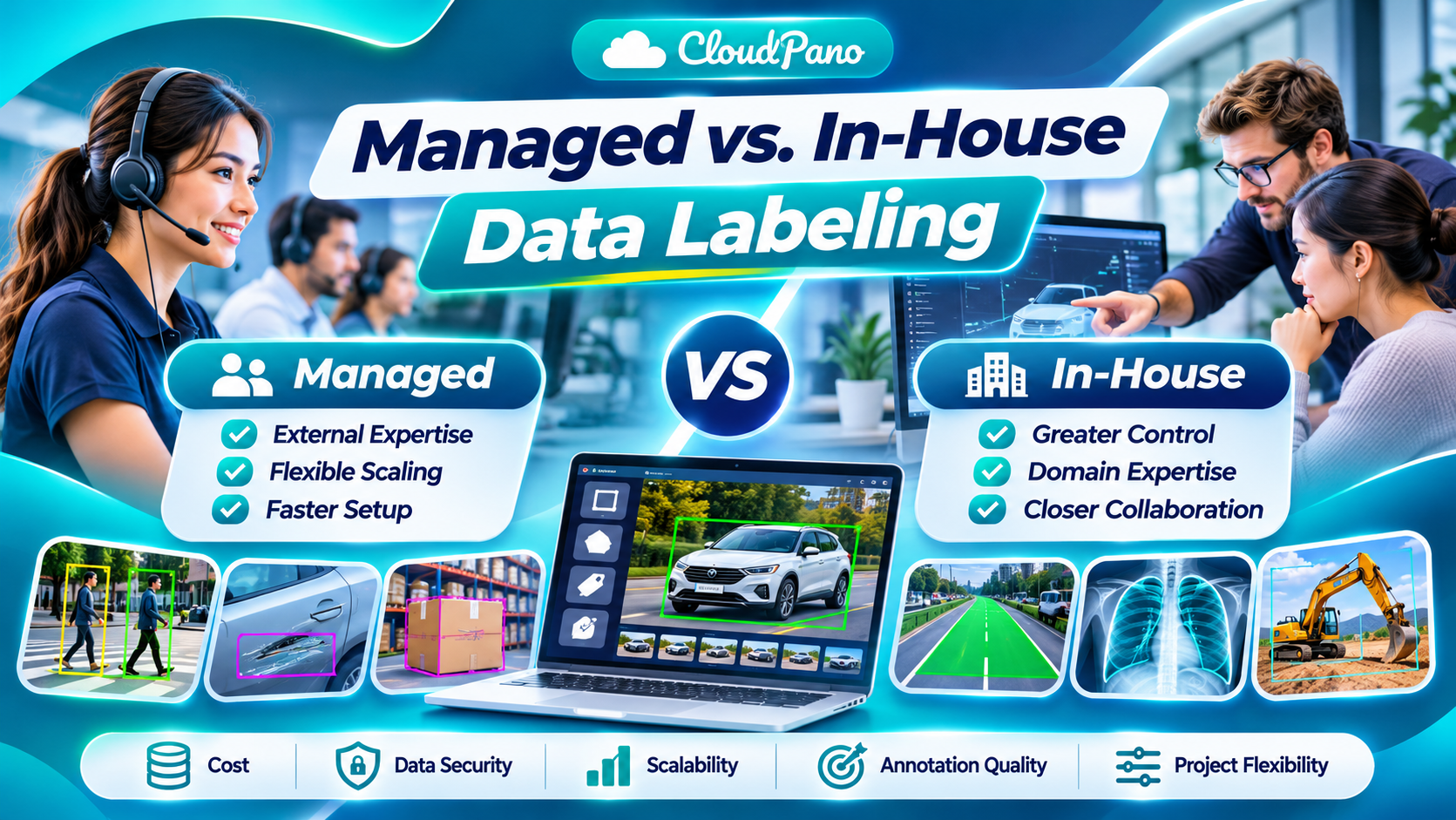
Managed vs. In-House Data Labeling

Choosing between managed and in-house data labeling is an important decision for AI development teams. This guide explores the key differences between managed vs in-house labeling, including costs, annotation quality, data security, scalability, and operational control. Discover the advantages and limitations of each approach, practical examples from computer vision and robotics, and how hybrid labeling workflows can combine external capacity with internal expertise. Learn how to select the right annotation strategy for your project's requirements, resources, and long-term AI goals.
Read post

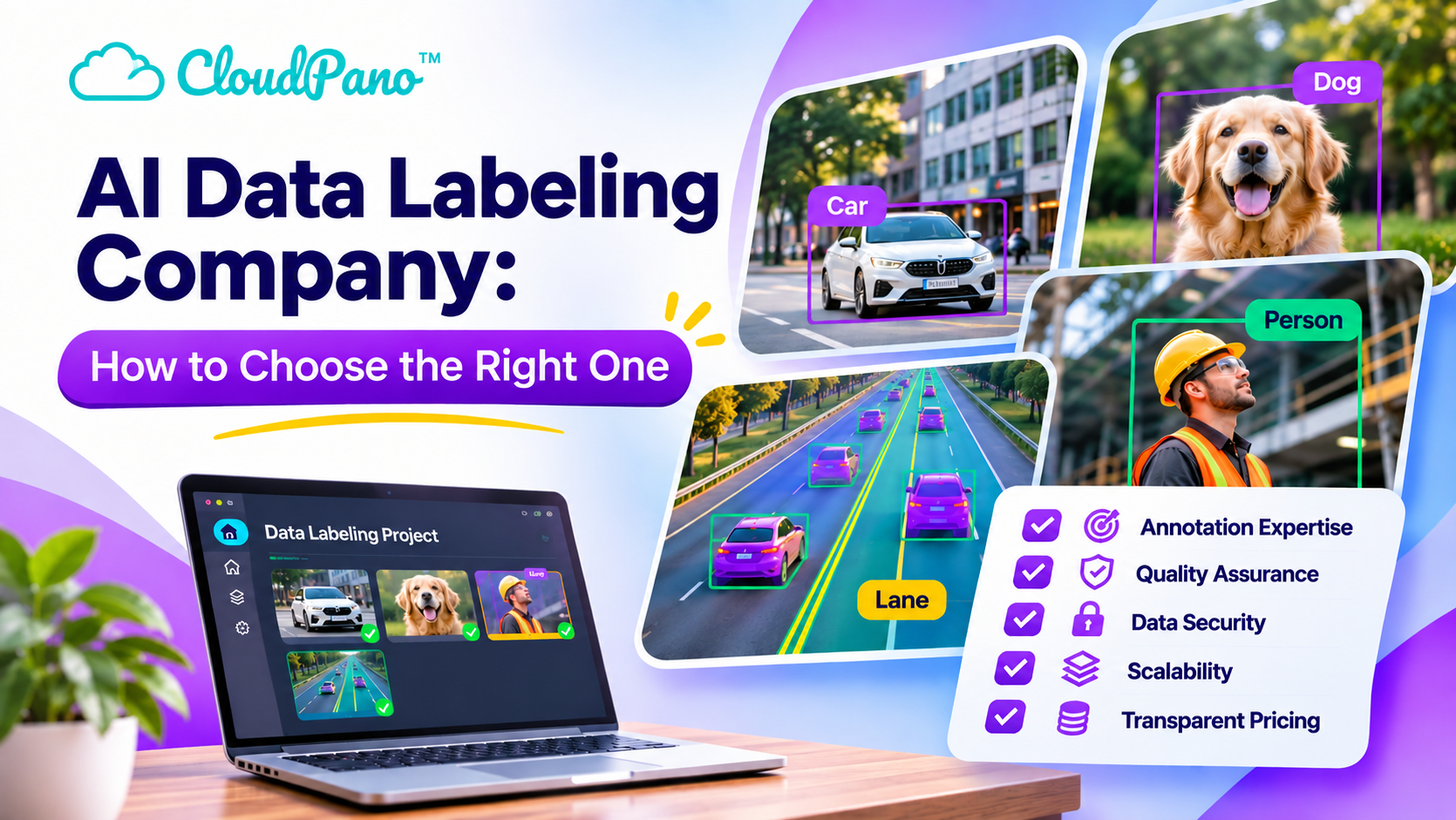
AI Data Labeling Company: How to Choose the Right One

Choosing the right AI data labeling company is essential for developing accurate and reliable artificial intelligence systems. This guide explains how to evaluate annotation providers based on data quality, industry expertise, security, scalability, pricing, and project management. Learn about different annotation services, common mistakes to avoid, and the importance of human review. Discover a practical five-step evaluation process to help you select a trustworthy labeling partner that meets your AI development requirements.
Read post