Expand Your Reach: How to Share Your Insta360-Created Virtual Tour with the World
CloudPano Editorial Team
April 30, 2024
•
5 min read
Share this post
How to Share Your Insta360-Created Virtual Tour with Others?
Virtual tours are a fantastic method to share with the world your home, place of business, or any other environment. They let viewers to experience the location in 360 degrees as though they were physically present. Additionally, virtual tours may improve your internet visibility, draw in new clients, and raise engagement.
However, how can you make and distribute a virtual tour? You may quickly create your own virtual tour using a few straightforward procedures and resources if you own an Insta360 camera, such as the RS 1-Inch 360 Edition or the X3. This post will demonstrate how to accomplish that as well as how to distribute your virtual tour to others.
What you need
With the Insta360 camera, you will need the following:
An Insta360 camera: The RS 1-Inch 360 Edition is your best bet for producing virtual tours of the highest caliber. It includes two 1-inch sensors that produce beautiful images and operate well in low light. A tripod, a lens cover, and a 64GB microSD card are all included in the virtual tour equipment that is included with the device. As an alternative, you may utilize the X3 camera, which works with virtual tour software as well.
A phone or tablet: To connect to your Insta360 camera and operate it using the app, you’ll need an iOS or Android smartphone.
Creating a Virtual Tour
Create your virtual tour by following these instructions:
Set up your camera: Verify that the newest firmware is installed on your Insta360 camera. You may get it from here or update it using the Insta360 app. Then, switch on your camera and establish a WiFi connection with your phone or tablet. Open the Insta360 app, then tap the yellow camera connection icon to connect.
Download the app: Enter “App Name” into the App Store or Google Play store. On your device, download and install the app. Log in to your account on the app after creating an account.
Set up your environment: Prior to beginning your shot, make sure your environment is tidy, organized, and well-lit. Take out any clutter or private items that you don’t want visitors to see. All the lights should be on, and any curtains or blinds that may reflect light or produce glare should be closed. Place the camera such that it cannot be seen via any windows or reflections. If necessary, you may even cover one of the lenses with the lens cap.
Start shooting: Place camera on tripod and raise it to eye level in the middle of the room. Then, move to a location where you are hidden from view by the camera (such behind a wall or in a different room). Press “Connect to Camera” after switching to the app. Name your scan by using the (+) or “Create New Job” button. When requested, agree to share your location. When you’re prepared, click or press the “Capture” icon to snap a 360-degree picture of the space from that angle. Your smartphone will instantly get the snapshot.
Move and repeat: After taking a picture, move the tripod to a different spot in the room such that you can view at least two-thirds of the prior picture. The software will be able to stitch the photographs together and provide a seamless transition between them with this information. Once you have covered every angle of the room, repeat this process until you have thoroughly searched the room. Then move on to the next one and repeat the process.
Upload and carry out: Tap “Finish” on the app when you’re done shooting to view your scans. Any unnecessary scans may be removed, and labels can be added if you like. Next, click “Upload” to upload your scans to your cloud account, where they will be converted into a 3D model of your area. Depending on the size and intricacy of your environment, this can take some time.
Editing and Personalizing Your Virtual Tour
You may access your virtual tour from your smartphone or via a web browser once it has been processed. Following that, you may update and alter your tour using a variety of tools and features, including:
Include highlights: Highlights are pictures of your space’s greatest vistas or features that you may use to make a presentation or a guided tour. By choosing the views you wish to highlight and touching the star symbol in the bottom right corner of the screen, you may add highlights. The highlights can also be deleted, renamed, or ordered anyway you choose.
Add labels: Text annotations known as labels can be used to add context or more information to your space. By touching the pencil symbol in the bottom right corner of the screen and choosing the location for the label, you may add labels. The text may then be typed in, the font size and color changed, and the label can be moved or rotated as desired.
Add measurements: You may use measurements to illustrate the size or distances of your place. Measurements are numerical annotations. By touching the ruler symbol in the bottom right corner of the screen and choosing the two spots you wish to measure, you may add measurements. You may then view the separation in meters or feet and change the accuracy and units as you like.
Add multimedia: You may utilize interactive multimedia to add audio, video, photographs, or links to your virtual tour. By touching the + sign in the bottom right corner of the screen and choosing the sort of media you wish to add, you may add multimedia. After that, you may add a file from your computer or a web address to your virtual tour. The material can also be rotated, resized, or removed as necessary.
How to Invite Others to View Your Virtual Tour
When you are satisfied with your virtual tour, there are several options to share it with others, including:
Share a link: Tap the sharing symbol in the top right corner of the screen and choose “Copy Link” to share a link to your virtual tour. The link may then be pasted on any website or application you want, including email, social media, and messaging. Your virtual tour will be accessible to anybody who clicks the link on their computer or mobile device.
Embed on a website: By selecting “Embed” from the menu that appears when you hit the share symbol in the upper right corner of the screen, you may embed your virtual tour on a website. The produced HTML code can then be copied and pasted into the source code of your website. Your virtual tour will be accessible to anybody who visits your website.
Download as a video: By selecting “Download” from the menu that appears when you hit the sharing symbol in the upper right corner of the screen, you may download your virtual tour as a movie. Then, after selecting your preferred video’s resolution and quality, touch “Download” once again. The movie will be saved to the camera roll or gallery on your device. Then you may share it or post it as you choose.
Virtual tours are a fantastic method to promote your business and draw in new clients. They allow you to be creative and show off your uniqueness. So why are you still waiting? Today, start making your own virtual tour with your Insta360 camera.
Share this post
CloudPano Editorial Team
Choose The Right 360° Camera
Insta360 ONE RS 1-Inch 360 Edition
Compact, ready to go anywhere
Interchangeable lens that’s upgradeable
Dual 1-inch sensors for improved clarity and low light performance
Create an interactive virtual showroom and engage affluent digital buyers with live 360º video calls, all through the CloudPano mobile app for a complete automotive sales solution.
Create 2D and 3D floor plans with measurements in 4 minutes or less, all from your phone. Download the Floor Plan Scanner app and get your first scan free.
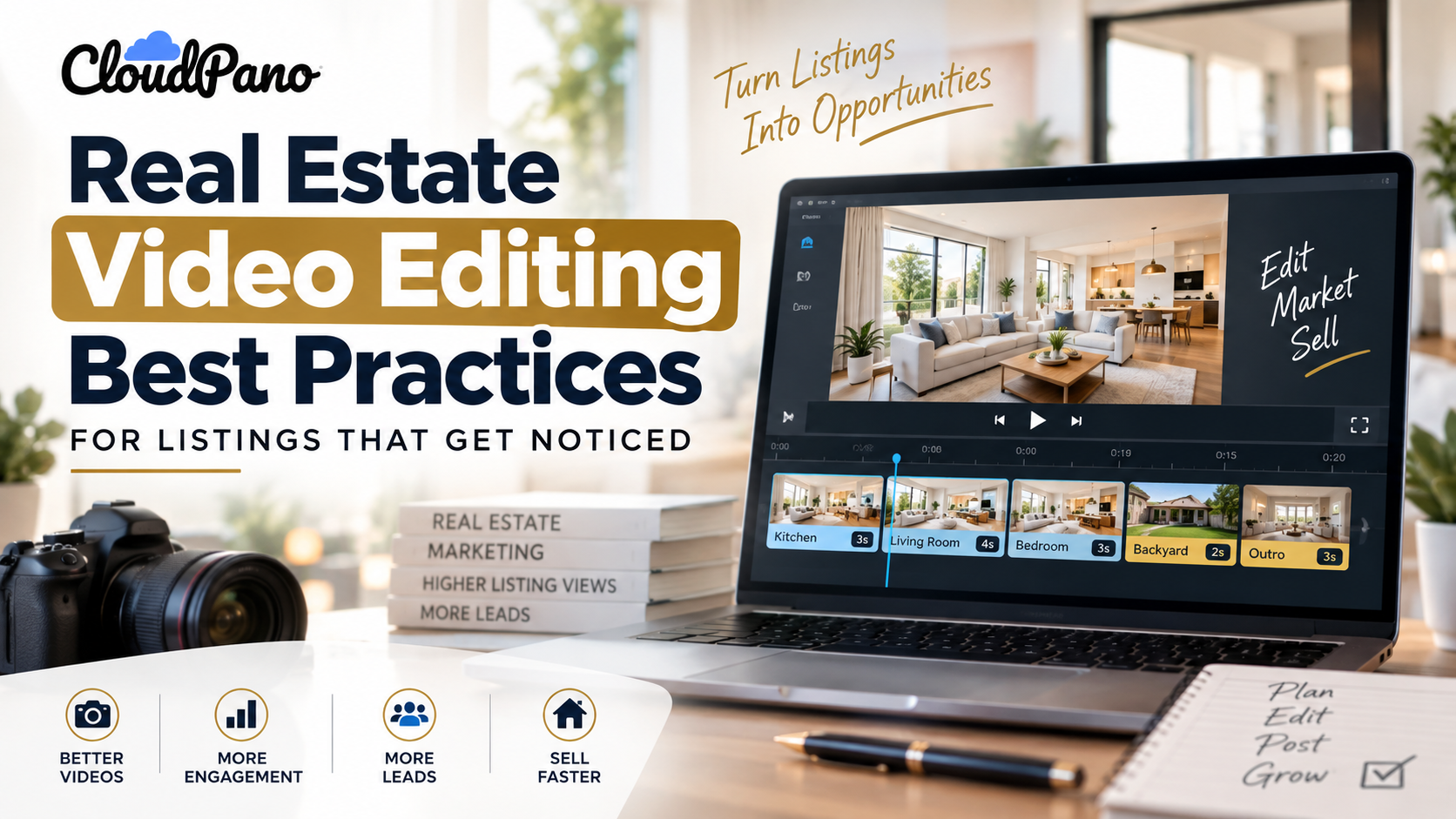
Learn seven practical real estate video editing best practices — from pacing and branding to platform formats — that help listing videos get noticed and drive more inquiries.
AI training data services help AI teams collect, annotate, validate, and evaluate the high-quality data needed to train and improve machine learning models. This guide explains how AI training data services work, their key benefits, typical costs, what to look for when choosing a provider, and how custom real-world data collection can support AI, robotics, and multimodal applications.
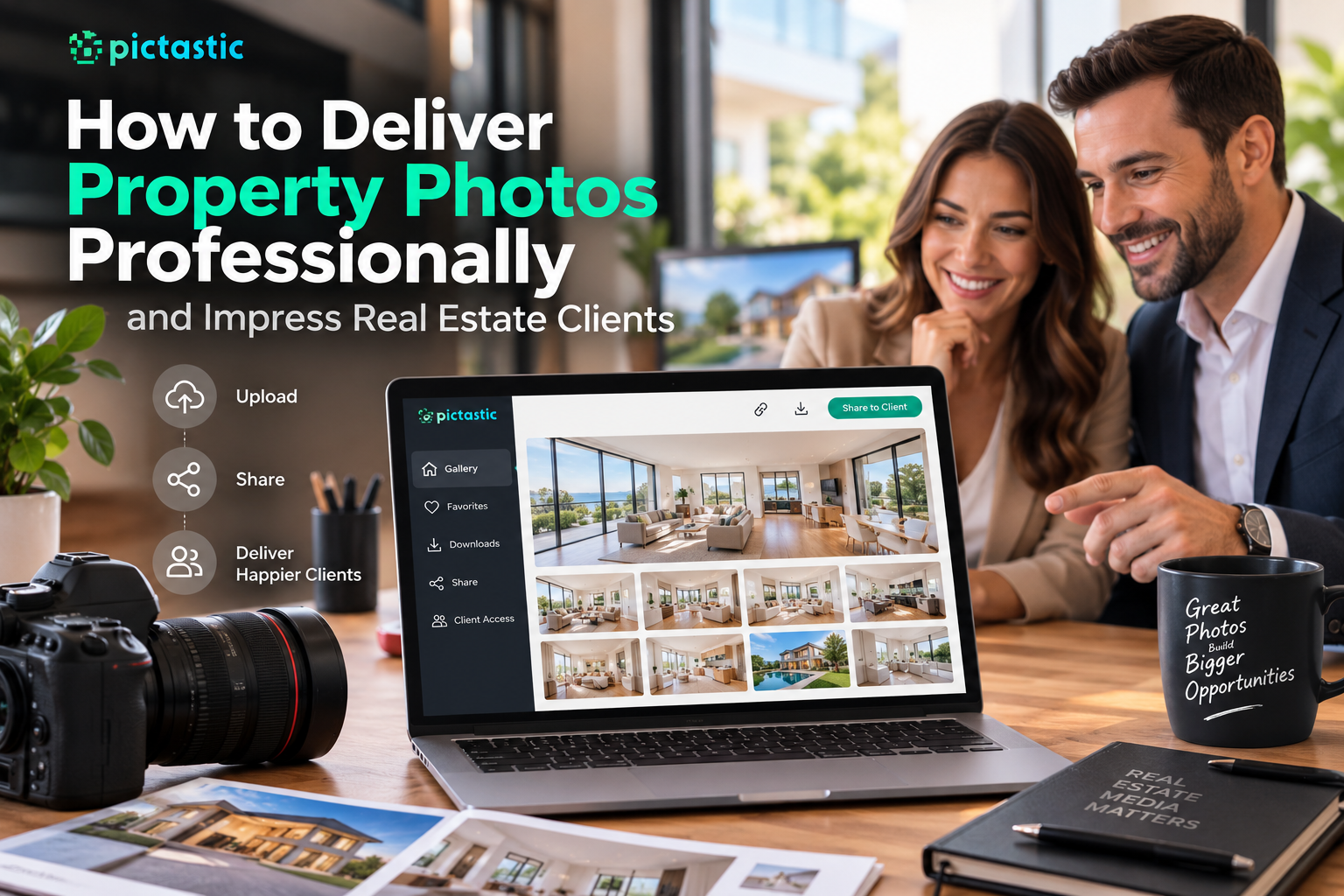
Learn how to deliver property photos professionally and create a smooth, impressive experience for real estate clients. This guide covers organized photo galleries, easy downloads, professional presentation, fast delivery, and practical ways photographers can build stronger client relationships and encourage repeat business.


.png)


.png)

.png)






.svg)


.svg)