Unlocking New Revenue: White Label AI Virtual Staging Software for Your Business

March 14, 2025
•
5 min read
Share this post
Modern virtual staged living room with stylish decor and furniture.

In a world where technology is constantly evolving, the real estate industry is no exception. Recently, a new opportunity has emerged for entrepreneurs looking to expand their service offerings. With the introduction of white label AI virtual staging software, businesses can now sell branded software solutions to their clients, creating a new revenue stream without the hassle of development or maintenance.

Key Takeaways

  • White Labeling: Resell AI virtual staging software under your own brand.
  • Revenue Streams: Create subscription or credit-based revenue models.
  • User Experience: Customers can easily stage images with AI technology.
  • Easy Setup: Quick implementation with minimal intervention required.

What Is White Label AI Virtual Staging Software?

White label AI virtual staging software allows businesses to rebrand and resell a powerful tool that helps clients enhance property images. This means you can offer your customers a service that lets them add furniture and decor to their listings, all while showcasing your brand.

Benefits of White Labeling

  1. Brand Recognition: Your logo and branding are front and center, making it easy for clients to associate the service with your business.
  2. Passive Income: Set up subscription plans or credit bundles that generate revenue without ongoing effort.
  3. No Development Hassles: The software is already built and maintained, so you can focus on selling rather than creating.
  4. User-Friendly: Clients can easily navigate the software to stage their images, enhancing their listings with minimal effort.

How It Works

The process of setting up your white label software is straightforward:

  1. Sign Up: Create an account to access the software.
  2. Customize Your Brand: Upload your logo, set your URL, and configure the meta descriptions to reflect your business.
  3. Set Up Products: Choose how you want to sell the software—either through subscriptions or credit bundles.
  4. Market Your Service: Promote your new offering to your existing client base and beyond.

Setting Up Your White Label Software

Once you’ve signed up, here’s how to get started:

  • Choose Your Logo: This will be displayed on the software interface.
  • Add Your Domain: Point your domain to the software server for a seamless experience.
  • Create Subscription Plans: Decide on pricing and credit amounts for your customers. For example:
    • Basic Plan: $49/month for 100 credits.
    • Pro Plan: $99/month for 250 credits.
    • Bundle Option: One-time purchase of 50 credits for $98.

User Experience

When your clients log in, they will see a clean interface with your branding. They can upload images of their properties and choose from various styles to stage their listings. The AI technology will analyze the image and suggest furniture arrangements, making it easy for users to visualize the space.

Why This Matters

In today’s competitive real estate market, having high-quality visuals can make a significant difference in attracting buyers. By offering AI virtual staging software, you not only enhance your service portfolio but also provide your clients with a valuable tool that can help them sell properties faster.

Conclusion

The introduction of white label AI virtual staging software is a game-changer for real estate professionals and entrepreneurs alike. It allows you to expand your offerings, create new revenue streams, and provide your clients with cutting-edge technology—all while keeping your brand at the forefront. If you’re ready to take your business to the next level, consider signing up for this innovative solution today!

Share this post

Choose The Right 360° Camera

Insta360 ONE RS 1-Inch 360 Edition

  • Compact, ready to go anywhere

  • Interchangeable lens that’s upgradeable

  • Dual 1-inch sensors for improved clarity and low light performance

  • Dynamic range and 6K 360° capture

  • 360° photo resolution at 21MP

Learn More

Insta360 X4

  • 8K 360° video recording for ultra-detailed visuals.

  • 4K single-lens mode for traditional wide-angle shots.

  • Invisible selfie stick effect for drone-like perspectives.

  • 2.5-inch touchscreen with Gorilla Glass protection.

  • Waterproof up to 33ft for underwater shooting.

Learn More

Ricoh Theta Z1

  • 360° photo resolution in 23MP

  • Slim design at 24 mm thick

  • Built-in image stabilization for smooth video capture.

  • Internal 19GB storage for photo and video storage.

  • Wireless connectivity for remote control and sharing.

Learn More

Ricoh Theta X

  • 60MP 360° still images for high-resolution photography.

  • 5.7K 360° video recording at 30fps.

  • 2.25-inch touchscreen for intuitive control.

  • USB Type-C port for fast charging and data transfer.

  • MicroSD card slot for expandable storage.

Learn More
Property Marketing
Allows potential buyers to explore properties in detail from anywhere, enhancing the real estate marketing process.
Automotive Spins
Create an interactive virtual showroom and engage affluent digital buyers with live 360º video calls, all through the CloudPano mobile app for a complete automotive sales solution.
Interactive Floor Plans
Create 2D and 3D floor plans with measurements in 4 minutes or less, all from your phone. Download the Floor Plan Scanner app and get your first scan free.

360 Virtual Tours With CloudPano.com. Get Started Today.

Try it free. No credit card required. Instant set-up.

Try it free
Latest posts

See our other posts

Interviews, tips, guides, industry best practices, and news.

Egocentric Data for Smart Glasses and Wearable AI

Smart glasses are shipping fast, but the egocentric datasets everyone cites are licensed for non-commercial research only. This guide explains what wearable AI needs, why the public sets block commercial training, and how to source data you can ship.
Read post

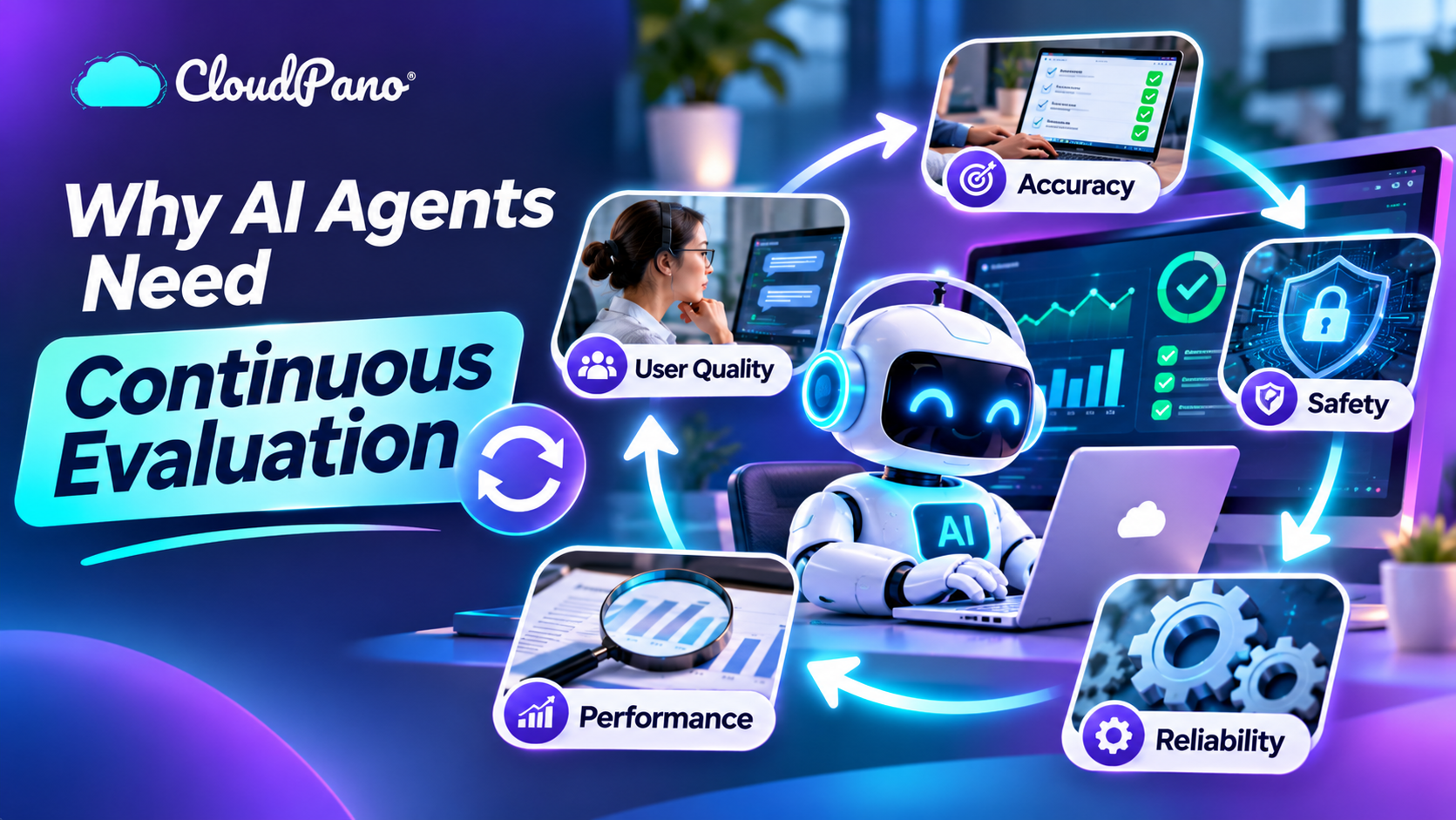
Why AI Agents Need Continuous Evaluation

Continuous evaluation is essential for maintaining reliable, accurate, and secure AI agents as models, tools, and user expectations evolve. This guide explores why ongoing testing matters, the key performance metrics to monitor, and how AI chatbot evaluation services help businesses detect hallucinations, improve task completion, and strengthen AI safety. Learn how automated testing, human review, and continuous monitoring work together to build trustworthy AI systems.
Read post

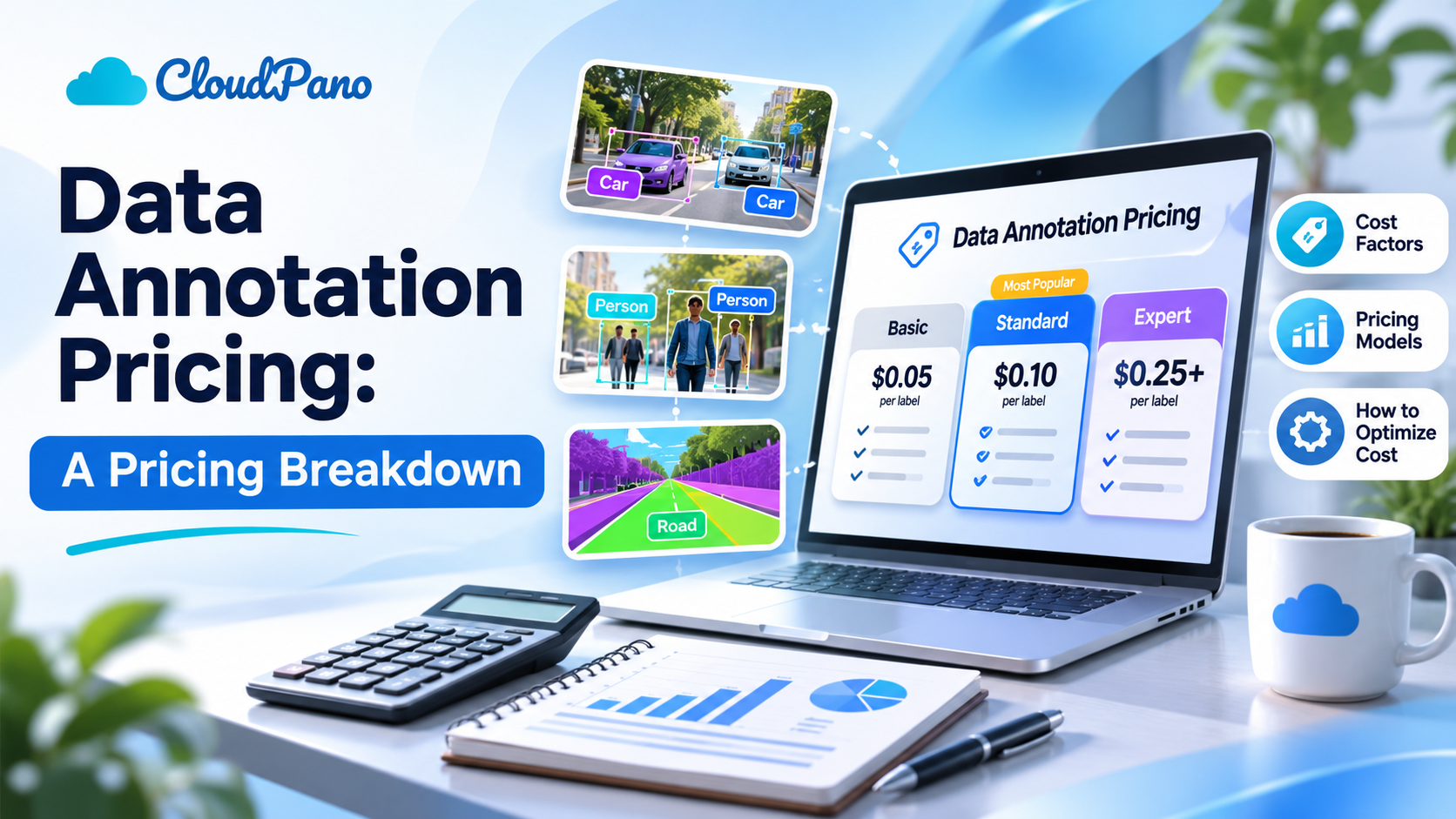
Data Annotation Pricing: A Pricing Breakdown

Understanding data annotation pricing is essential for businesses planning AI and machine learning projects. This guide breaks down annotation costs for images, videos, text, and audio while explaining the factors that influence pricing, including task complexity, dataset size, and quality requirements. Discover common pricing models, hidden expenses, and practical strategies to reduce annotation costs while maintaining high-quality training data.
Read post